
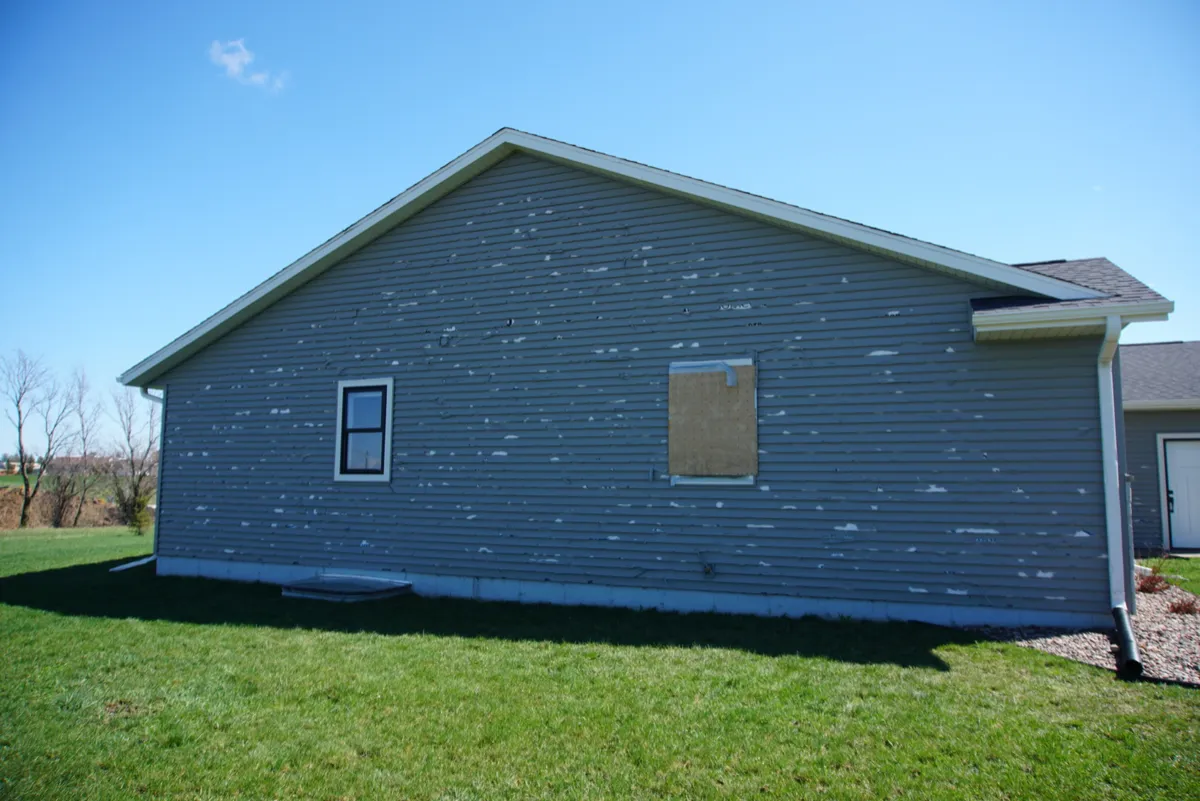
Understanding Hail Damage: What You Can’t See Matters
Your home serves as a sanctuary that protects your family from the unpredictable elements. Identifying hail damage to a roof is often difficult because the most significant issues remain hidden from view. Consequently, many property owners ignore potential problems until a small leak turns into a massive structural failure.
Homeowners frequently assume their property is safe if they do not see missing shingles after a storm. However, high-velocity ice impacts cause subtle fractures that are invisible to the untrained eye. Professional inspections are necessary to uncover these silent threats before they compromise the entire building envelope.
Is Your Roof Damaged After a Storm?
Determining if you have roof damage after storm events requires a thorough investigation of the shingle surface and underlying layers. Even if the exterior looks functional, the structural integrity might be failing due to hidden bruising and granule displacement. Early detection prevents secondary water damage and ensures your insurance claim remains valid and timely.
How Does Hail Impact Create Hidden Bruising?
The physical mechanics of a hail strike involve a high-energy transfer that compresses the roofing material against the wooden deck. While the surface might appear intact, this pressure often causes a bruise on the underside of the shingle. This hidden hail damage roof weakens the fiberglass mat and creates a soft spot that eventually fails.
Because these bruises are not visible from the ground, many people assume their shingles are perfectly fine. Over time, the structural fibers begin to separate due to constant thermal expansion and contraction. This internal breakdown eventually allows moisture to seep through the material and reach your attic space.
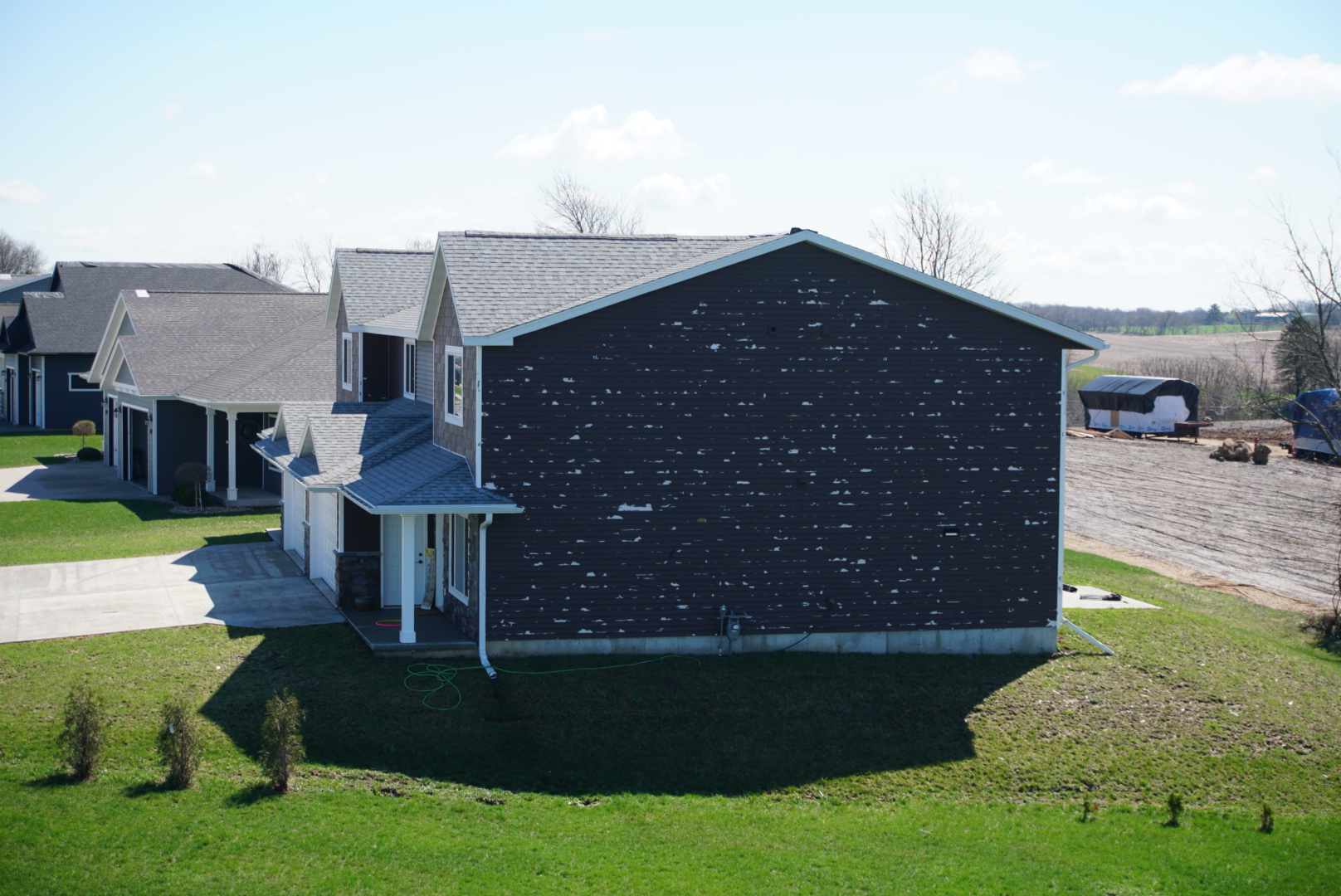
A professional contractor will physically feel for these indentations during a comprehensive assessment of your property. Identifying these soft spots early is the only way to prevent long-term deterioration of your home. If left unaddressed, these bruised areas become the primary points of failure during the next heavy rain.
Why Is Granule Loss a Threat to Your Roof?
Granules are the sand-like coating on your shingles that provides essential protection against harsh ultraviolet rays. When hail strikes, it dislodges these particles, leaving the sensitive asphalt layer beneath completely exposed. This roof damage strips away the shingle sunscreen and significantly accelerates the aging process.
Gutter Sediment: Excessive grit buildup in your downspouts often indicates that your shingles are shedding their protective outer layer.
Bald Spots: Areas where the black asphalt is visible show that the shingle has lost its primary defense against the sun.
Surface Cracking: Accelerated drying occurs when bitumen is exposed, resulting in brittle materials that break during the next storm.
Heat Absorption: Increased indoor cooling costs often result from a stripped roof absorbing more thermal energy from the sun.
Fire Resistance: Reduced mineral surfacing lowers your home's overall safety rating by making the roof more combustible.
Without this protective layer, the sun quickly degrades the waterproof bitumen that keeps your home dry. You might notice your gutters filled with grit after a significant weather event. This loss of material is a clear sign that the lifespan of your exterior has been cut short.
Is the Ground-Level Myth Putting Your Home at Risk?
Many homeowners believe that if they cannot see crooked shingles from the driveway, their property is safe. Unfortunately, this perspective is a dangerous misconception that leads to neglected maintenance and costly repairs. A hail-damaged roof often retains its original shape while losing its ability to repel water effectively.
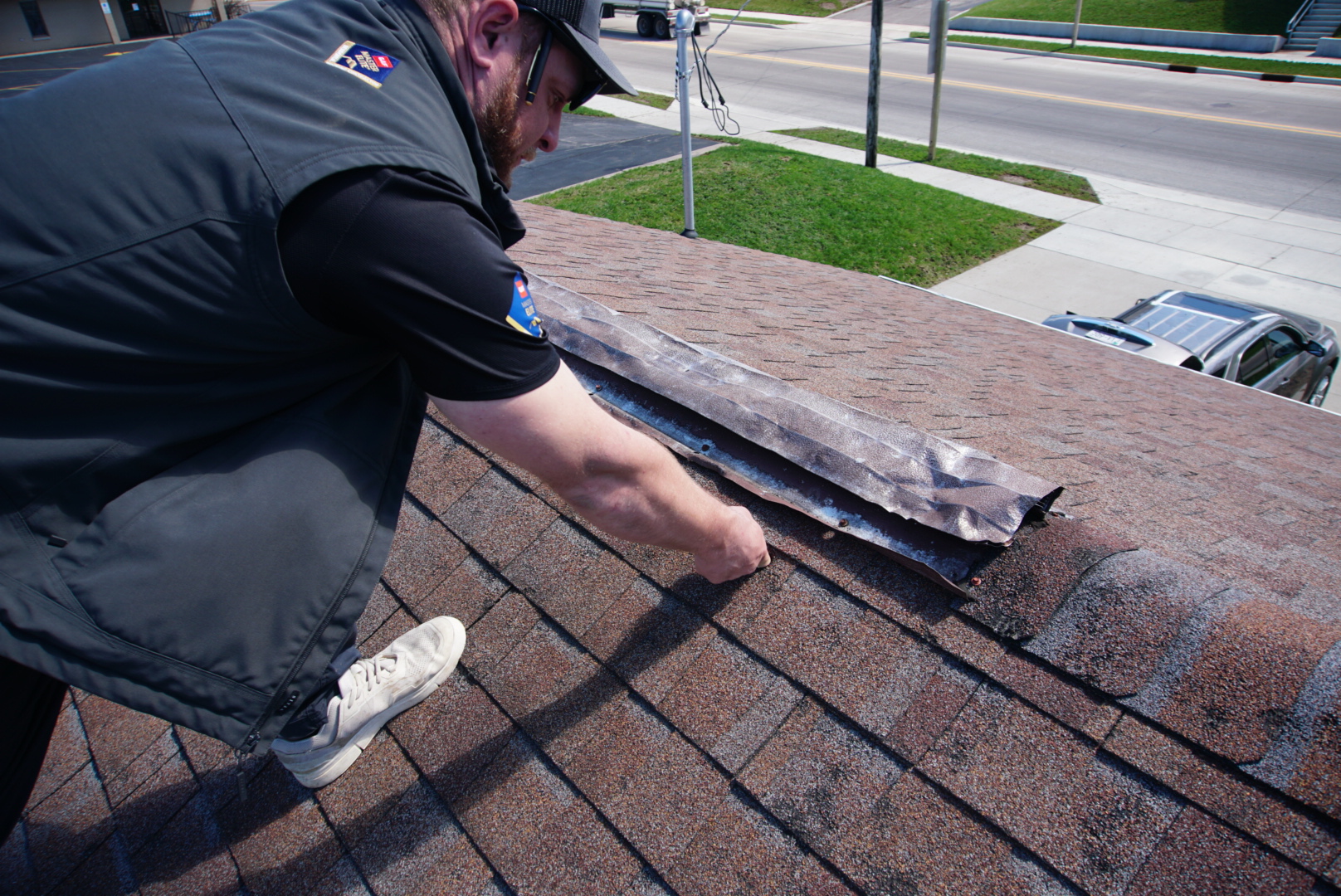
Relying on a ground-level view overlooks the fact that most storm effects occur on the slopes directly facing the wind. From a distance, the shadows and angles hide the small circular cracks known as spalling. You must have a trained professional walk the surface to get an accurate assessment of the situation.
Safety and accuracy are the two main reasons why a ladder-assisted check is vital for every property. Experts look for specific patterns in the metal vents and flashing that indicate the severity of the storm. These metal accents often provide the first clues about the hidden trauma your shingles endured.
How Do Microcracks Lead to the Slow Leak Phenomenon?
When ice hits a shingle, it can create microscopic fractures that are nearly impossible to see without magnification. These tiny entry points allow water to travel through the system via capillary action during every rainstorm. This roof damage after storm cycles creates a slow, persistent moisture intrusion that stays hidden for months.
Capillary Action: Moisture penetrates the outer shingle layer through microfractures, drawing water into the material's internal matting.
Deck Swelling: The underlying plywood decking absorbs water and swells, causing the shingles to shift out of alignment.
Attic Intrusion: Dark spots or streaks appear on the attic rafters as the moisture finally makes its way past the underlayment.
Structural Decay: Wood rot sets in over several months, eventually compromising the roof's overall load-bearing capacity.
Microbial Growth: Toxic mold begins to grow in the dark, damp spaces of the attic long before you see a stain.
The danger of a slow leak is that it remains undetected until the damage is already extensive. By the time you see a brown stain on your ceiling, the wood underneath is likely already rotting. Following a maintenance guide can help you understand why proactive checks are cheaper than reactive repairs.
What Are the Financial Risks of Waiting for Repairs?
Delaying an inspection after a storm can lead to a total loss of insurance coverage for the event. Most policies have a specific window of time in which a claim must be filed to be valid. If you wait until a leak appears, the insurance company may argue that the damage resulted from neglect rather than the storm.
Furthermore, secondary water damage is always more expensive to fix than a simple shingle replacement. Water that enters through a hail-damaged roof ruins insulation, drywall, and even electrical systems within the walls. Addressing the problem immediately preserves your home value and prevents an exponential increase in restoration costs.
A compromised exterior also reduces your home's energy efficiency, leading to higher monthly utility bills. When moisture traps heat in your attic, your HVAC system must work harder to maintain a comfortable temperature. Reviewing a recycling guide for old materials shows how sustainable practices are part of a modern restoration.
Protecting Your Investment
A roof is your home's first line of defense, but what you can't see can definitely hurt you. The structural integrity of your property depends on the quality of its exterior shield against wind and ice. Maintaining this barrier requires a commitment to quality craftsmanship and a deep understanding of local weather patterns.
Do not wait for a ceiling stain to tell you there is a problem with your property. CP3 Contracting provides the expert advocacy and technical skill needed to navigate the complexities of storm restoration. Contact CP3 Contracting today to schedule a professional roof inspection and ensure your home stays dry and secure.