How Local Contractors Help Document Storm Damage for Storm Insurance
Storm damage can be difficult to identify and even harder to document without the right experience. Many homeowners struggle with the insurance process because they are unsure what qualifies as storm damage or how to properly present it. Clear documentation plays a major role in whether a storm insurance claim is approved or delayed.
Local contractor support helps simplify the process by providing accurate assessments and detailed documentation that aligns with insurance requirements. Professional evaluations ensure nothing is overlooked, especially when damage is not immediately visible from the ground. Working with a contractor early gives you a stronger position when filing a storm insurance claim.
What Contractors Do for Storm Damage Insurance Claims
Local contractors inspect your property, identify all visible and hidden storm damage, and document everything needed for a strong insurance claim. Detailed photos, written reports, and clear assessments help support your case and reduce the chances of disputes. Contractor involvement ensures your storm insurance claim is based on accurate information rather than guesswork.
What Counts as Storm Damage for Insurance Claims
Storm damage is not always defined consistently across insurance providers, which often creates confusion during the claims process. Each company sets its own criteria for what qualifies as storm damage based on policy language and coverage limits.
Understanding these differences is critical when preparing a storm insurance claim.
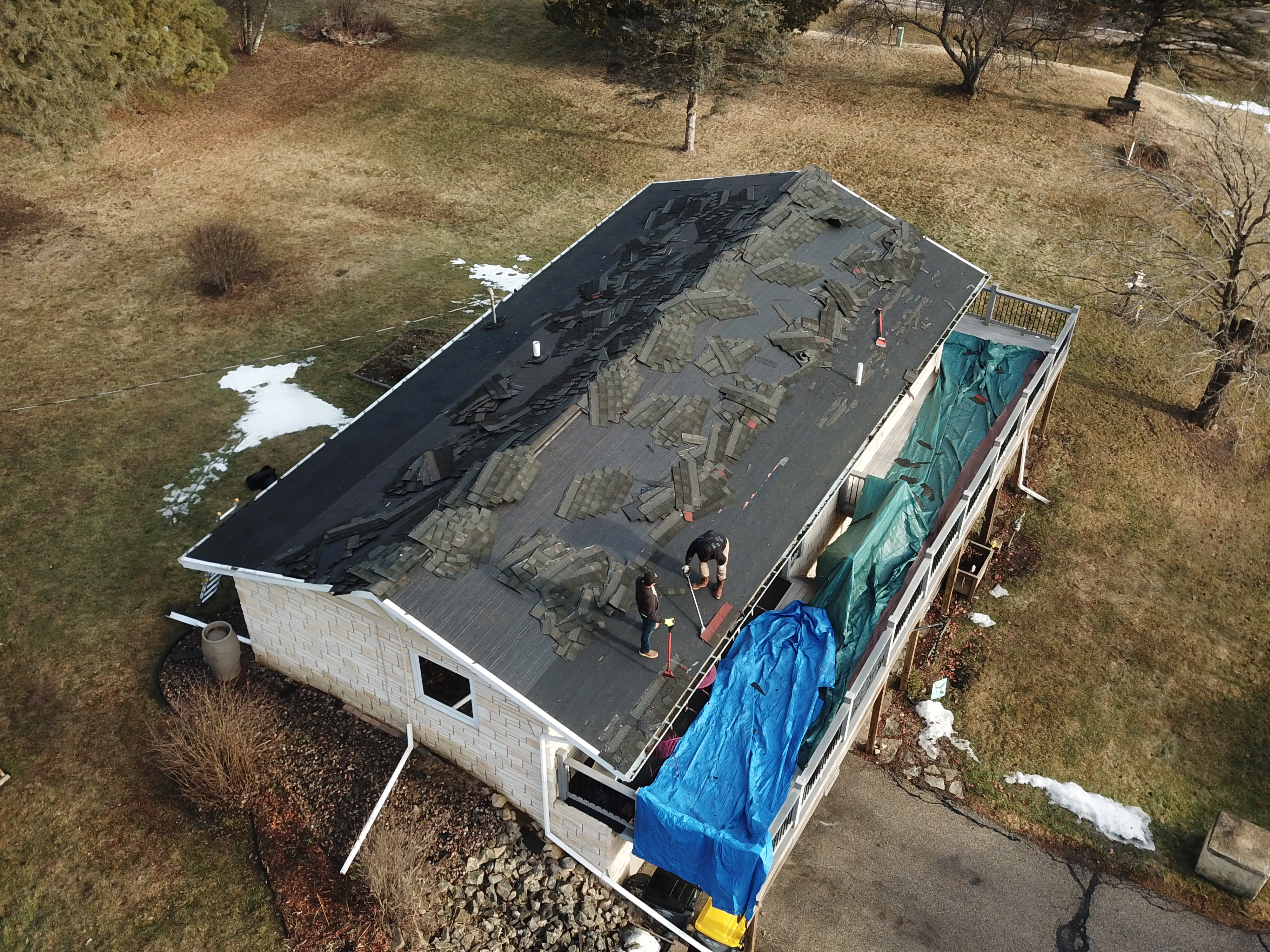
Wind Damage to Roofing and Exterior Materials - Strong winds can lift shingles, loosen flashing, and damage siding or gutters during severe weather, often requiring clear proof of the cause.
Hail Damage and Impact Marks - Hail can cause dents, cracks, and bruising on roofing materials, weakening performance, and, according to Allstate, wind and hail are among the most common causes of covered storm damage.
Water Intrusion From Storm Conditions - Heavy rain can force water into small openings, leading to leaks, while coverage depends on whether damage resulted directly from the storm.
Structural Damage From Falling Debris - Branches or airborne debris can strike your home and cause visible structural damage, which insurers often classify as storm-related when documented properly.
Hidden or Delayed Storm Damage - Some damage develops over time and is not immediately visible, but insurers may still consider it if it can be tied to a specific storm event.
Policy details ultimately determine what qualifies as storm damage, which is why documentation must align with your insurer’s standards. Contractors help identify and record damage in a way that supports your claim and reduces confusion. A professional inspection ensures your storm damage is properly documented according to your specific storm insurance requirements.
Why Proper Storm Damage Documentation Matters for Storm Insurance
Proper documentation is one of the most important factors in getting a storm insurance claim approved without delays or disputes. Insurance providers rely on clear evidence to verify that storm damage occurred and meets policy requirements. Without strong documentation, even legitimate damage can be questioned or underpaid.
Claims often depend on the quality and timing of the information submitted during the process. Incomplete or unclear records can lead to back-and-forth communication that slows everything down. Accurate documentation strengthens your position and helps move the claim forward more efficiently.
Detailed records also help prevent disagreements between homeowners and insurance adjusters over the extent of storm damage. Clear photos, reports, and timelines make it easier to justify repair needs based on actual conditions. A well-documented claim reduces uncertainty and improves the chances of a fair outcome.
What Local Contractors Provide During a Storm Damage Inspection
Local contractors play a key role in documenting storm damage by providing detailed assessments that align with storm insurance requirements. Professional inspections go beyond surface-level checks to identify both visible and hidden damage. Working with a contractor early helps ensure your claim is supported by accurate and complete information.
Detailed Photo Documentation - Contractors capture clear images of all affected areas to create visual proof of storm damage for your claim.
Written Damage Reports - Structured reports outline the type and extent of damage in a format that insurance providers can easily review.
Thorough Roof and Exterior Assessments - Inspections identify damage that may not be visible from the ground or during a quick check.
Scope of Work for Repairs - Contractors provide a breakdown of what needs to be fixed, helping define the claim value.
Professional Recommendations - Expert guidance helps homeowners understand the next steps and avoid mistakes during the claims process.
Professional documentation ensures your storm damage is presented clearly and accurately during the claims process. Contractors help translate technical findings into information that insurance providers can evaluate. A detailed inspection strengthens your claim and reduces the risk of missed or underestimated damage.
Common Mistakes Homeowners Make With Storm Damage Claims
Homeowners often make avoidable mistakes during the claims process that can delay approval or reduce the value of a storm insurance payout. Lack of preparation and incomplete documentation are among the most common issues that create problems later.
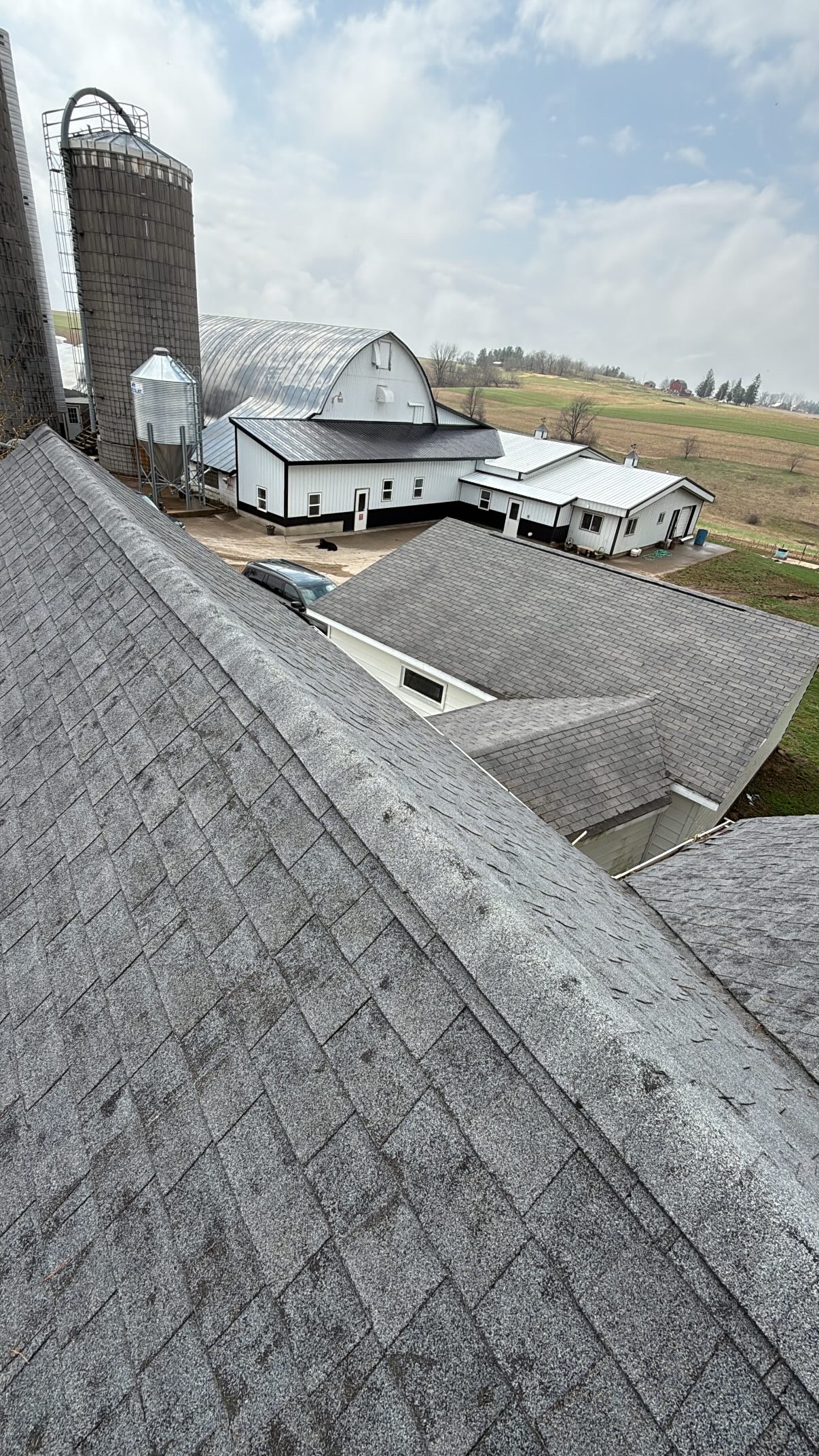
Understanding these mistakes helps you avoid setbacks and move through the process more efficiently.
Waiting Too Long to File a Claim - Delays can make it harder to prove storm damage and may result in claims falling outside policy time limits.
Not Documenting Damage Properly - Missing photos or unclear records weaken your ability to support a claim.
Relying on a Visual Check Alone - Surface inspections often miss hidden storm damage that still qualifies for coverage.
Accepting the First Estimate Without Review - Initial assessments may not reflect the full scope of necessary repairs.
Not Involving a Contractor Early - Waiting too long to get professional input can lead to incomplete or inaccurate claims.
Avoiding these mistakes helps ensure your storm damage is properly evaluated and documented from the start. A structured approach improves communication with your insurance provider and reduces unnecessary delays. Working with a contractor early gives you a stronger position throughout the storm insurance process.
Get a Professional Storm Damage Inspection Before Filing Your Claim
Filing a storm insurance claim without proper documentation increases the risk of delays, disputes, and missed damage. A professional inspection ensures your storm damage is fully identified and supported with clear evidence. Taking this step early helps you move forward with confidence and avoid common claim issues.
CP3 Contracting provides detailed inspections and documentation that align with insurance requirements and support accurate claims. Experienced teams assess both visible and hidden storm damage to give you a complete understanding of your situation. Get a professional storm damage inspection with us at CP3 Contracting to strengthen your claim and protect your home.