
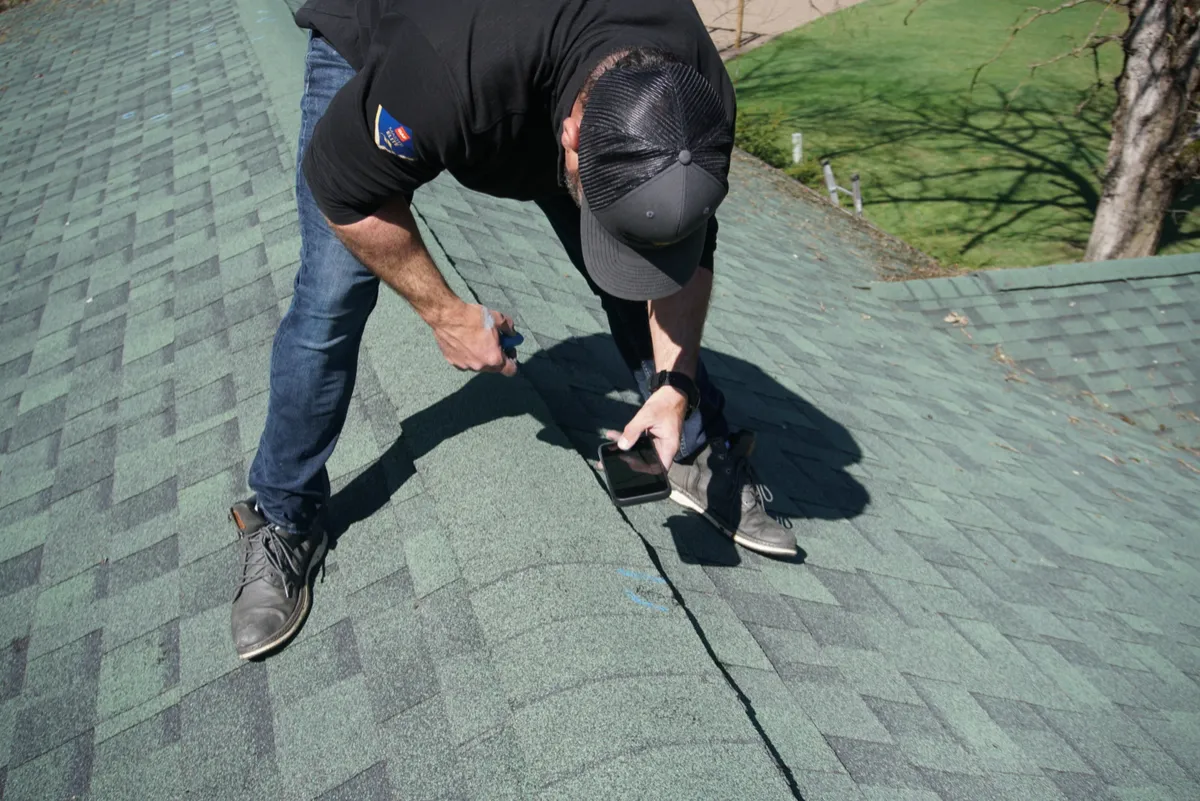
Insurance Claims 101: How to Document Storm Damage
Dealing with the aftermath of a severe weather event can feel overwhelming for any property owner. Identifying storm damage early is the most effective way to ensure your home remains a safe sanctuary for your family. Professional guidance helps transform a chaotic situation into a structured plan for full restoration.
Homes often face unpredictable weather that leaves behind hidden structural issues. Taking immediate action prevents minor leaks from turning into costly long-term problems. You deserve a partner who understands how to protect your legacy while navigating the complexities of modern construction.
How Do You Properly Document Storm Damage for a Claim?
Proper documentation begins with capturing clear visual evidence of every affected area on your property. You should record the specific date of the weather event and maintain a detailed log of all observations. This organized approach ensures that your provider has the necessary proof to process your request efficiently.
What Are the First Safety Steps After a Storm?
Safety must remain your top priority before you even consider looking at your shingles or siding. You should walk around the exterior with caution while keeping a sharp eye out for downed power lines. Avoid any standing water near electrical equipment to prevent serious injury during your initial walkthrough.
Once you confirm the area is clear of electrical hazards, check for structural instability, such as sagging porch roofs or leaning trees. It is helpful to wear sturdy shoes to protect against shattered glass or hidden debris in the grass. Consequently, ensuring your physical well-being allows you to focus clearly on the next steps of the recovery process.
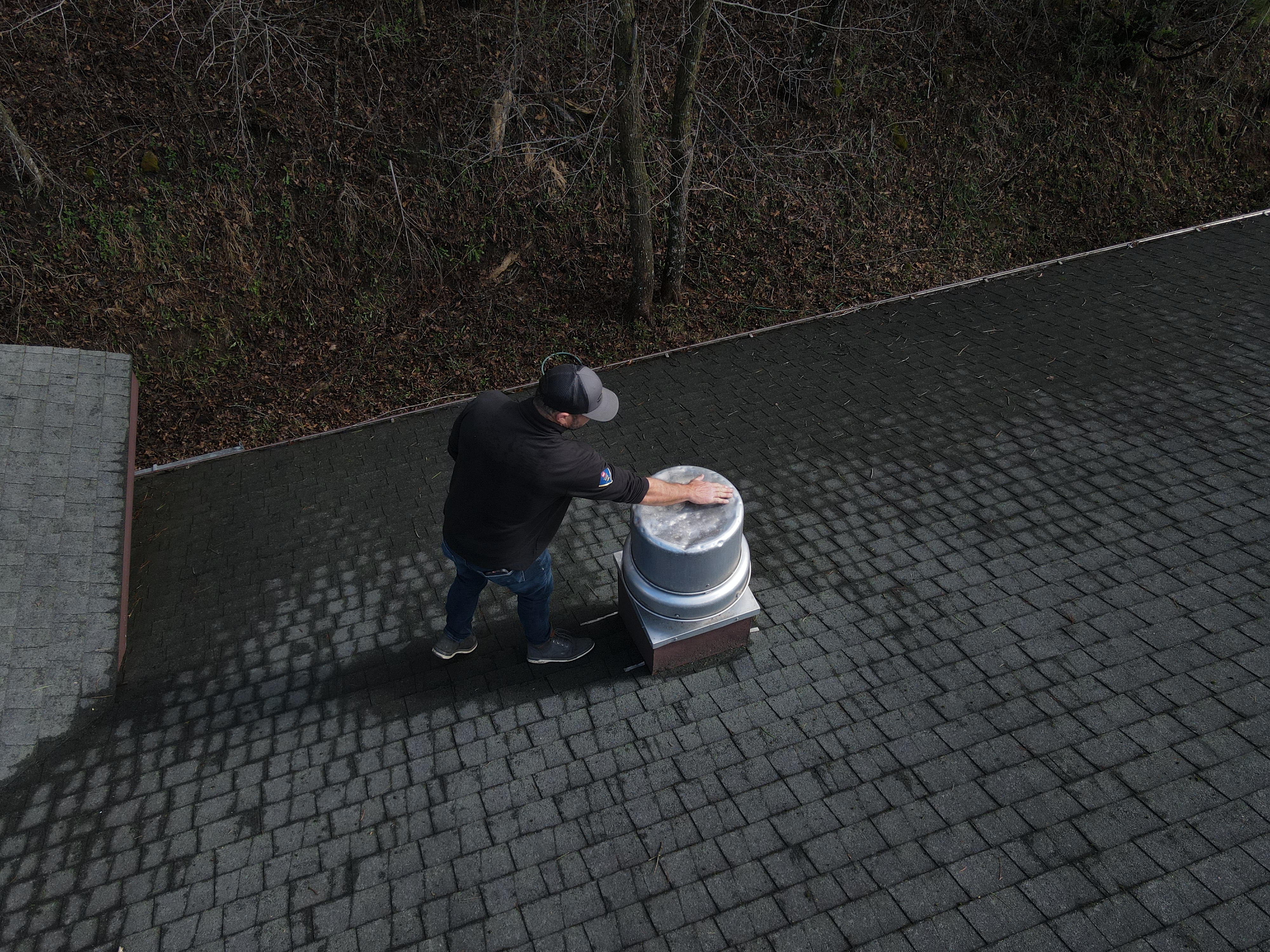
If you notice active leaks inside the house, place buckets immediately to catch water and move valuable electronics. You might also want to read about water damage prevention to understand how to mitigate further issues. Taking these quick precautions stabilizes the environment while you prepare to record the storm damage for your records.
Which Items Belong on Your Documentation Checklist?
Creating a comprehensive visual record is the most critical part of a successful roof insurance filing. You should start by taking wide angle shots of the entire house to provide a full perspective of the impact. Afterward, move closer to capture specific details like dented gutters, cracked window screens, and chipped paint.
Property Overviews: Capture wide-angle photos of each side of the house to show the weather impact in context.
Debris and Hail: Take close-up shots of fallen tree limbs or large hailstones next to a ruler for scale.
Shingle Granules: Check for sand like material accumulating at the base of your downspouts, which indicates significant wear.
Interior Leaks: Document any new ceiling stains or damp spots in the attic with clear, well-lit images.
Collateral Damage: Photograph dented metal vents, cracked siding, or warped window frames that occurred during the storm.
Furthermore, make sure to document any damage to personal property located outside, such as patio furniture or grills. These details add weight to your case and show the intensity of the weather event. Following a structured inspection guide can help you stay organized during this stressful time.
Why Should You Maintain a Detailed Storm Journal?
A storm journal serves as a chronological narrative that supports your photos and videos with hard facts. You should record the exact time the weather intensified and the duration of the event. Including descriptions of the hail size or wind speed helps verify that your local conditions matched official meteorological reports.
Writing down every conversation you have with your provider ensures that no important details are lost in the shuffle. You should also track the names of every representative you speak with throughout the week. This level of organization prevents confusion and holds all parties accountable during the roof insurance verification stages.
Moreover, noting the specific rooms where you first noticed leaks can help technicians locate the source of the problem more quickly. Consistency is vital when you are trying to prove the cause of the loss to an adjuster. You can find more tips on maintenance to keep your records updated year-round.
How Does a Professional Contractor Assist With Your Claim?
A reputable contractor acts as a technical translator between your damaged home and the insurance company's requirements. They possess the tools and expertise to find subtle issues that an untrained eye might easily miss. Their detailed reports provide the objective evidence needed to justify the full scope of necessary repairs.
Professional Assessment: Providing a detailed report that includes accurate measurements and current material costs for the repairs.
Adjuster Meeting: Meeting with the insurance representative on-site to ensure every area of concern is physically inspected.
Technical Clarification: Explaining the specific difference between general wear and tear and sudden, storm related structural impact.
Code Compliance: Offering an estimate that accounts for modern building codes and necessary safety upgrades required by law.
Evidence Collection: Documenting hidden structural issues that only become visible through professional moisture meters or drone photography.
Having an expert by your side reduces the stress of explaining construction jargon to a desk adjuster. They understand exactly what the insurance company needs to see to approve a fair settlement. Check our recycling guide to see how we handle old materials during a full restoration project.
What Common Pitfalls Should You Avoid When Filing?
One of the most dangerous mistakes is signing a contingency agreement before you fully understand the repair costs. Some companies use these documents to lock you into a contract before your claim is even approved. You should always maintain your right to choose who works on your home without being pressured.
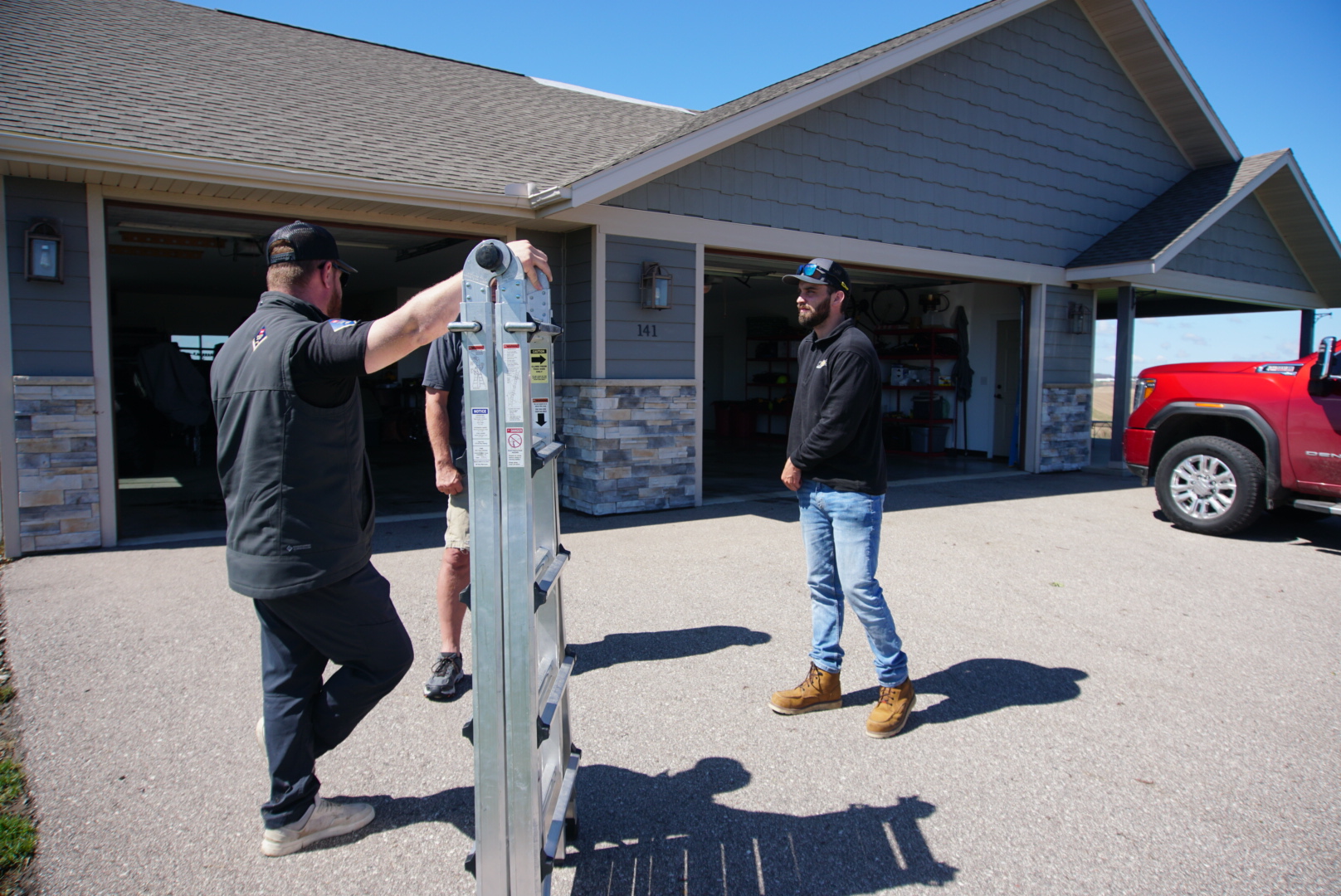
Another frequent error is waiting too long to report the issue to your provider after the weather clears. Most policies have a specific window of time during which they will accept a claim for weather events. Therefore, acting quickly ensures you do not lose your right to coverage due to simple administrative delays.
Finally, do not assume that a lack of missing shingles means your property is perfectly fine. Heavy hail can bruise the underlying matting without showing immediate signs of failure from the ground. Relying on a professional ensures you are not left with a failing system a few years down the road.
Restoring Security with Expert Support
Navigating the complexities of storm recovery requires a steady hand and local expertise you can rely on. Organized documentation is your best defense against a denied claim and ensures your home is restored to its original strength. By following a clear process, you can protect your investment and maintain the long-term integrity of your property.
Navigating insurance shouldn’t be a second storm you have to weather alone. At CP3 Contracting, we specialize in helping homeowners bridge the gap between damage and restoration. Ready to start your recovery? Get help documenting your storm damage by calling our expert team now.